

BY LAWAL HALIMAT
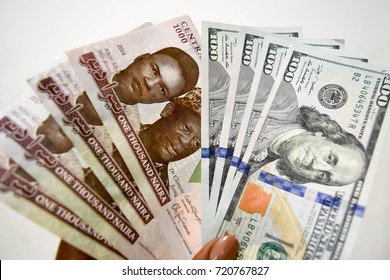
“A river that forgets its source will soon dry up.” This African proverb perfectly describes Nigeria’s overdependence on the U.S. dollar. The Nigerian naira dances to the tune of the dollar, rising and falling based on global forex fluctuations. This dependency has led to economic instability, inflation, and a weakened national currency. But how did we get here, what are the consequences, and what can be done to break free from this financial stranglehold?
*How the Dollar Determines the Naira’s Value*
In Nigeria, the value of the naira is largely influenced by the U.S. dollar because of the country’s heavy reliance on imports, oil exports priced in dollars, and foreign investments. Several key factors contribute to this:
1. Oil Dependency: Nigeria earns over 90% of its foreign exchange from crude oil sales, priced in dollars. Any drop in oil prices immediately weakens the naira.
2. Import Dependency: From machinery to everyday consumer goods, Nigeria imports more than it exports, increasing demand for dollars while depleting forex reserves.
3. Foreign Debt Servicing: Nigeria’s external debts are mostly in dollars, meaning the country needs more dollars to pay off loans.
4. Dollar Hoarding and Speculation: Many businesses and individuals hold dollars as a hedge against naira depreciation, further weakening the local currency.
Disadvantages of Dollar Dependency
While having a strong forex reserve in dollars might seem beneficial, Nigeria’s over-reliance on the dollar comes with several disadvantages:
1. Inflation and High Cost of Living
When the naira weakens against the dollar, import costs rise. Since Nigeria relies heavily on imports, this leads to increased prices of food, fuel, and basic goods. The average Nigerian bears the burden of this inflation.
2. Unstable Business Environment
Businesses that rely on imported raw materials and equipment struggle when the dollar is scarce or expensive. This uncertainty makes it difficult for local businesses to plan for the future.
3. Capital Flight and Investor Hesitation
Foreign investors are discouraged by a volatile currency. Many prefer to invest in countries with stable currencies, leading to capital flight from Nigeria to more stable economies.
4. Weakening of Local Industries
The preference for foreign goods over local products due to their perceived quality and availability discourages local production. Many manufacturers struggle to compete, leading to job losses and economic stagnation.
Effects on the Nigerian Economy
Lower Purchasing Power: As the naira weakens, salaries and wages lose value, making it harder for people to afford basic necessities.
Government Budget Constraints: With more naira needed to buy dollars for debt repayment, the government has less money for infrastructure, education, and healthcare.
Increased Smuggling and Black Market Activities: The scarcity of dollars leads to the growth of the black market, where rates are often higher than official exchange rates, causing further naira depreciation.
Visible Solutions: Breaking Free from Dollar Dependency
1. Strengthening Local Production
Nigeria must invest in local industries, especially in agriculture, technology, and manufacturing. If more products are produced locally, the demand for imports—and thus for dollars—will decrease.
2. Diversifying the Economy
Overreliance on oil is a major reason for dollar dependency. Nigeria must invest in other sectors such as agriculture, tourism, and technology to earn revenue in other currencies and reduce dollar demand.
3. Encouraging Exportation
The government should create incentives for businesses that export goods and services, earning foreign exchange without depending solely on crude oil.
4. Stable Forex Policies
The Central Bank of Nigeria (CBN) needs to implement stable forex policies that discourage unnecessary dollarization of the economy. Reducing the use of dollars for domestic transactions will help strengthen the naira.
5. Reducing External Debt
Nigeria should focus on reducing its foreign debt burden by seeking alternative funding sources and boosting internal revenue generation.
6. Promoting Local Consumption
Government and citizens alike must patronize locally made goods and services. A shift in mindset towards supporting Nigerian products will reduce the demand for imported goods and, by extension, dollars.
Conclusion
The saying, “He who pays the piper calls the tune,” holds true in Nigeria’s economic situation. As long as the country remains heavily dependent on the dollar, its economy will remain vulnerable to external shocks. However, with the right policies, a focus on local production, and a shift away from oil dependency, Nigeria can build a more stable and self-sufficient economy. The time to act is now—before the river dries up completely.