

BY LAWAL HALIMAT
Hey fam — it’s Halimat here, bringing you the gist about the new tax payment system that’s set to roll out in Nigeria come January 2026. A lot of people have been hearing about this “new tax bill” but aren’t sure what it really means, how it affects them, or what to expect. So let’s break it all down together — the real way.
💡 What’s Really Happening?
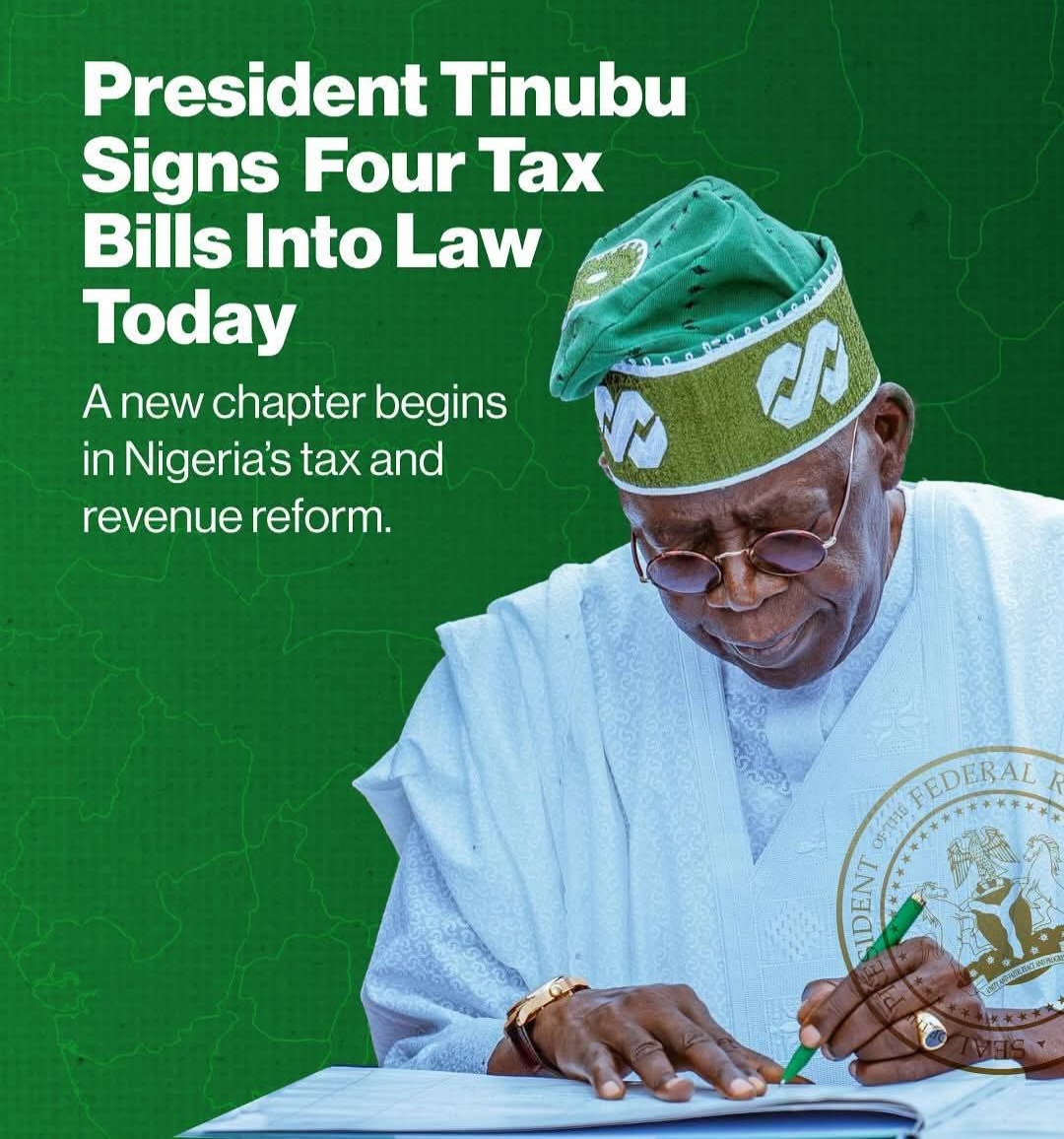
The Federal Government has approved a new set of tax reforms that will officially take effect from January 1, 2026.This is not just a minor adjustment — it’s a total overhaul of how taxes are collected and managed in Nigeria. The reforms aim to simplify the whole process, bring fairness to taxpayers, and make revenue collection more transparent and efficient.
⚙️ Why This Change?
For years, Nigeria’s tax system has been messy — too many laws, overlapping agencies, and confusing payment methods. Many businesses and citizens don’t even know what taxes they’re meant to pay.The new system is being introduced to:Simplify everything — merging all the scattered tax laws into one framework.Make payment easier — through digital and flexible options.Encourage compliance — by offering fairer rates and more understandable rules.Increase national revenue without overburdening regular Nigerians.It’s all about structure, transparency, and fairness.
🔑 Key Things You Should Know
Let’s get into the juicy part — what’s actually changing and how it affects you.
1. New National Tax Agency
The old Federal Inland Revenue Service (FIRS) will now become the Nigeria Revenue Service (NRS).This new agency won’t just collect taxes but will also handle other national revenues. It’ll be more digital, faster, and with stronger monitoring systems.
2. Unified Tax Law
Instead of multiple confusing Acts for income tax, VAT, and others, everything will now fall under one consolidated law.That means fewer loopholes, fewer double charges, and a clearer understanding for everyone — from individuals to big businesses.
3. Flexible Payment Options
Under the new system, taxpayers can make instalment payments instead of paying everything at once.This is a big relief for small businesses and individuals who often struggle to settle large tax sums upfront.So, if your income is seasonal or inconsistent, you can now plan your payments better.
4. Relief for Low-Income Earners
If you earn below ₦800,000 a year, you’ll likely be exempted from personal income tax.This is one of the most talked-about parts of the bill because it gives breathing space to low earners who are already battling the high cost of living.
5. Rent Relief Scheme
Another interesting addition is the new rent relief plan. This means Nigerians who pay rent (and can show proof) may be eligible for certain tax deductions or relief.So yes — keeping your rent receipts might actually save you money now!
6. Business Tax Adjustments
For businesses, there will be a gradual adjustment in corporate income tax. The idea is to make it fairer for both small and large companies while promoting investment and job creation.VAT, however, will remain at 7.5% for now — no increase has been announced.
7. Implementation Date
Everything officially begins on January 1, 2026.That gives individuals, businesses, and government agencies a few months to prepare — update their systems, understand the law, and make sure they’re ready.
👥 What It Means for You
💼 If You’re an Employee if you earn below ₦800,000 yearly, you might not pay income tax at all.Keep your rent receipts — they could help you access tax relief.Make sure your Tax Identification Number (TIN) and employment details are up to date.
🧾 If You Run a Small Business
The new instalment plan means you can manage your cash flow better.Simplified tax laws mean fewer headaches with paperwork. Keep proper records of your income, expenses, and rent — it’ll help you benefit from possible reliefs.
🏢 If You Own a Bigger Business
Tax rates might reduce slightly for compliant companies.But expect tighter enforcement — the new agency means stricter monitoring and digital tracking.It’s time to align your accounting systems with the new rules before 2026.
⚠️ What to Watch Out For
Even though the intentions behind the new tax system are good, implementation is key. If done right, it’ll make life easier for many Nigerians. But if not, we could face the usual bureaucracy and confusion.Also, some states may still take time to align with the new rules, so the early days could be a bit bumpy.That said, awareness is power — the more you understand how it works, the better you can adjust.
✅ Final Words from Halimat
This new tax bill is one of the biggest financial changes Nigeria has seen in a long while. It’s coming with promises — fairness, simplicity, and better structure.But as always, it’ll only work if both the government and the people do their part.
So here’s my advice:
Use this waiting period to get ready.
Know your rights and your obligations.
Keep your receipts, update your records, and stay informed.
Change can be scary, but with preparation, it can also be empowering.
Come 2026, we’ll all feel the difference — hopefully, in a good way.