
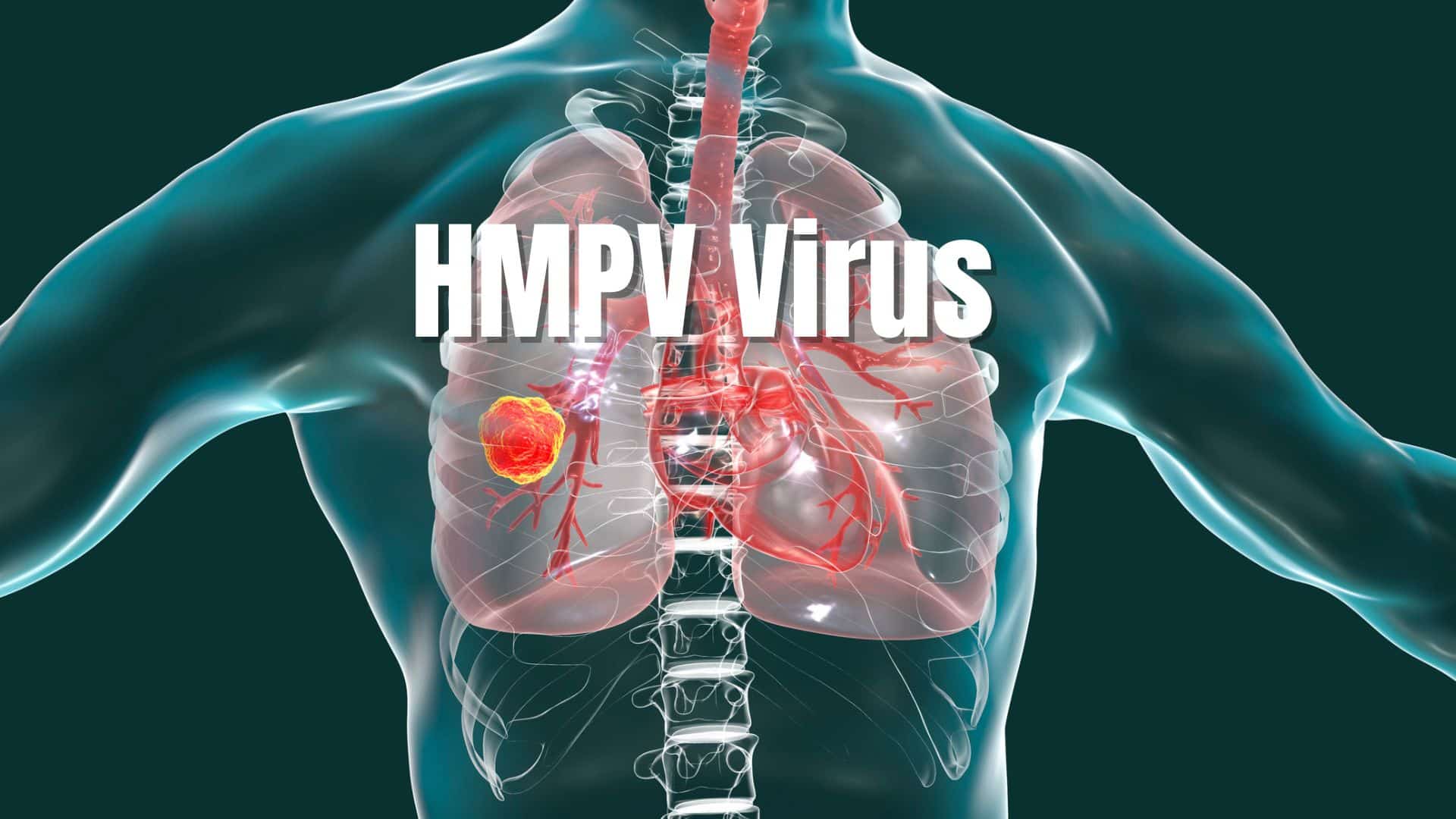

Understanding Human metapneumovirus, or hMPV, is quite crucial. Although often overlooked in the global respiratory disease landscape, this virus was discovered in the Netherlands in 2001 and has since been identified as a major cause of respiratory tract infections (RTIs), especially in susceptible groups like young children, the elderly, and people with weakened immune systems. Even though it was just discovered recently, studies have shown its significant prevalence and impact, ranking it alongside other important respiratory viruses like influenza and respiratory syncytial virus (RSV).
Describing the Human Metapneumovirus
RSV and measles are members of the Paramyxoviridae family, which also includes the human metapneumovirus. The virus mostly affects the respiratory system, producing mild to severe symptoms. With additional subdivisions, it is mainly divided into genetic lineages A and B. Even though these mutations are genetically different, they frequently exhibit the same clinical symptoms
Factors that Affect Transmission and Risk
When a person with hMPV coughs or sneezes, respiratory droplets are released into the air, which is how many respiratory viruses spread. Additionally, direct contact with contaminated surfaces or items can spread it. Late winter and early spring are when the virus is most active, coinciding with RSV and influenza’s seasonal activity.
hMPV is detected in approximately 3%–10% of hospitalizations of children under 5 years of age with acute lower respiratory tract infections. Additionally, annual hospitalization rates associated with hMPV infection are about 1 per 1,000 children under 5, with higher rates in infants under 6 months old. Among older adults, the annual hospitalization rate is approximately 9.82 per 10,000 residents, comparable to influenza.
The immune systems of infants and young children are still maturing, making them especially vulnerable. People with long-term conditions like asthma or chronic obstructive lung disease (COPD) and older persons are also more likely to develop severe disease.
Clinical Presentation and Symptoms
Since hMPV infections frequently resemble other respiratory conditions, diagnosis might be difficult. Among the symptoms are:
- Mild cases: Fever, sore throat, cough, and runny nose.
- Severe cases: Breathing difficulties, wheezing, and lower respiratory tract infections, including pneumonia and bronchiolitis.
Studies have reported a pooled molecular prevalence of hMPV at 4.7% among patients with acute respiratory infections, highlighting its global significance. Hospitalization may result from severe cases, especially in high-risk groups.
Recognition and Management
Because the symptoms of hMPV are so similar to those of other respiratory viruses, laboratory testing is required to diagnose it. The presence of the virus is frequently verified using methods including antigen detection and polymerase chain reaction (PCR) testing.
As of right now, hMPV has no particular antiviral treatment. The majority of management focuses on symptom relief through hydration, temperature control, and, in more severe instances, oxygen therapy. When it comes to hMPV, antibiotics are not effective.
Methods of Prevention
The same tactics that are employed to fight other respiratory viruses are also utilised to prevent hMPV infection:
- The mainstay of infection control is still frequent hand washing with soap and water.
- Keeping the mouth and nose covered when sneezing or coughing helps stop respiratory droplets from spreading.
- Avoiding people who show signs of a respiratory disease is crucial, especially for high-risk groups.
- Transmission risks can be reduced by routinely disinfecting surfaces that are regularly handled.
The Prospects for hMPV Research
Current research aims to fill in the knowledge gaps on the epidemiology and pathophysiology of hMPV. The development of antiviral medications and vaccines could significantly reduce the burden of hMPV, given its comparable hospitalization rates to influenza.
Globally, human metapneumovirus is a subtle but powerful cause of respiratory diseases. Its effects can be lessened by greater knowledge, preventative actions, and medical research improvements, especially for the most susceptible groups. In addition to being important for personal health, understanding and controlling hMPV is a critical step in ensuring the security of respiratory health worldwide. By staying informed and vigilant, individuals and healthcare systems can collaborate to lessen the burden of this frequently disregarded infection.