

Introduction
For decades, Iceland has stood out as one of the very few inhabited places on Earth without a wild mosquito population. That changed in October 2025 when three specimens of the mosquito species Culiseta annulata were collected in the wild. This event marks a significant shift in the country’s ecological story, raising new questions about climate change, insect migration, and future public-health considerations. 
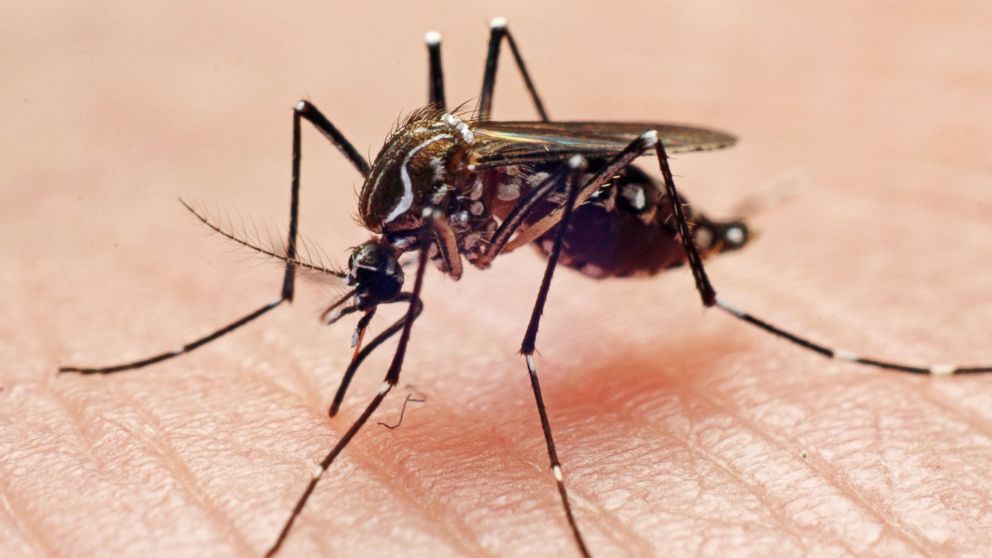
The initial discovery was made by citizen scientist Björn Hjaltason, who uses traps to attract insects in his garden north of Reykjavík. On the evening of October 16 he noticed a “strange fly” caught on a strip of red-wine-soaked rope (a method used to attract insects like moths) in his garden in the municipality of Kjósarhreppur (often called “Kjós”) in Iceland. He collected the specimen, then captured a further two (one male, two females) and sent them to the Natural Science Institute of Iceland. There, entomologist Matthías Alfreðsson confirmed that the insects were indeed Culiseta annulata mosquitoes — the first recorded wild‐mosquito find in Iceland.
Why Iceland used to be mosquito-free
Experts attribute Iceland’s long mosquito-free record to a combination of factors:
- Harsh freeze-thaw cycles interrupt larval development.
- Limited stable standing water that remains warm long enough for mosquito breeding.
- Geographic isolation and climatic conditions that previously made mosquito survival difficult.
Iceland’s cold, volcanic landscape has always been too harsh for mosquitoes to complete their life cycle. They require still water to lay eggs and warm enough conditions for larvae to develop. Historically, Iceland’s freezing temperatures have blocked that process.
However, climate shifts are altering the balance. Warmer periods during the year and increased human travel may be providing mosquitoes with opportunities to settle and spread. The mosquito species detected is believed to be Culiseta annulata (also known as the cool-weather mosquito) which is well adapted to colder climates compared to tropical species.
Why This Discovery Matters
The confirmed presence of mosquitoes in Iceland signals a notable shift in the environment. It challenges the long-held belief that the country’s climate is too extreme for mosquitoes to survive. The discovery suggests changing ecological conditions, possibly tied to a warming climate, which may now support mosquito populations in areas previously considered unsuitable. While the species identified does not currently pose a major disease threat to humans in Iceland, its arrival highlights the need for increased monitoring of mosquito-borne risks. It also marks a change in what has been an appealing mosquito-free reputation for both residents and tourists.
Several critical questions remain open:
- Is a breeding population established? The presence of three individuals does not guarantee long-term survival or reproduction. Future years will reveal whether larvae or more adults are found.
- How did they arrive? Likely pathways include shipping containers, cargo, and human travel — but none have been definitively confirmed.
- Will they survive Icelandic winters? Even for a cold-adapted species survival through a full Icelandic winter remains challenging.
- Will other species follow? If conditions continue to warm, more adaptable or disease-carrying mosquito species might succeed in establishing.
Researchers will continue monitoring the situation to determine whether the mosquito population can grow beyond isolated findings. There is also a focus on preventing the introduction of more dangerous mosquito species through travel or imported goods.
Final thoughts
The discovery of mosquitoes in Iceland may seem small — just three insects captured in a garden — but it carries big significance. It suggests that ecological boundaries are changing and that no place is immune to shifting climate and species movement. Iceland is now on a new path. Whether this leads to a fully established mosquito population remains to be seen, but for now it is a signal: one more location where mosquito-free status might no longer hold.