

LAWAL HALIMAT
In recent years, there has been a rising wave of digital transformation across various sectors in Nigeria, including education. One of the most significant moves in this direction is the adoption of Computer-Based Testing (CBT) for major examinations such as the Unified Tertiary Matriculation Examination (UTME), conducted by the Joint Admissions and Matriculation Board (JAMB). While JAMB has made commendable progress with CBT, suggestions to extend this mode to other critical exams like the West African Senior School Certificate Examination (WASSCE) and the National Examinations Council (NECO) have ignited a heated debate.
The Promise of CBT
Computer-Based Testing offers numerous advantages. It enables faster grading, minimizes examination malpractice, reduces logistical costs, and supports real-time data analysis for performance monitoring. Globally, CBT has become a standard for various professional and academic assessments, and Nigeria’s willingness to key into this trend is a step in the right direction. However, the question remains: Is Nigeria truly ready for a full-scale CBT implementation across all major examinations?
Infrastructure Deficiency: A Major Roadblock
Nigeria’s ICT infrastructure is still significantly underdeveloped, especially in rural areas. While urban centers like Lagos, Abuja, and Port Harcourt have relatively better access to computers and internet connectivity, the same cannot be said of communities in states like Zamfara, Ebonyi, or Borno.
A stark example is the 2023 UTME, where over 50 centers were delisted due to technical failures such as server breakdowns, poor internet access, and power outages. These issues disrupted the exams and caused psychological stress for candidates, some of whom were rescheduled or disqualified due to system errors.
Electricity: The Persistent Challenge
Nigeria’s erratic power supply is a long-standing problem that directly threatens the reliability of CBT. Most CBT centers rely on generators, which are not only costly to maintain but also prone to breakdowns. Without consistent electricity, the reliability of computer-based exams remains questionable.
Digital Literacy: A Growing but Uneven Curve
Although digital literacy is improving, a large percentage of students—particularly in public schools—still lack the basic computer skills needed to navigate CBT platforms confidently. This puts them at a disadvantage compared to their counterparts in private or urban schools who have greater access to ICT facilities.
A WAEC-style CBT, which covers a broader syllabus and requires essay-type responses, would be particularly challenging. Students with poor typing skills and limited experience using computers would be unfairly tested not just on their knowledge, but also on their ability to use the technology.
Financial and Logistical Constraints
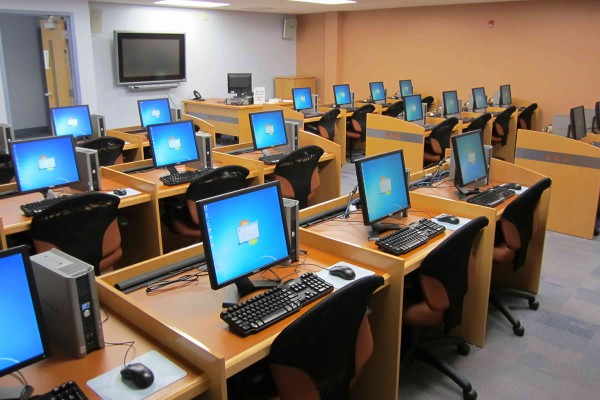
Setting up and maintaining CBT centers nationwide is capital-intensive. Most secondary schools in Nigeria do not have functional computer laboratories. Expecting them to conduct CBT-based WAEC or NECO exams is unrealistic without substantial investment in infrastructure, training, and support systems.
Furthermore, exam bodies like WAEC and NECO conduct practical exams and require physical supervision. Transitioning to CBT would require a complete overhaul of existing exam formats, question types, and grading systems.
Conclusion: A Phased Approach, Not a Wholesale Leap
While the idea of adopting CBT for all national exams is laudable, Nigeria must approach this transformation with caution and strategy. A full transition should be preceded by:
Massive investment in ICT infrastructure across all states, especially in public schools and rural areas.
Robust digital literacy programs for students and teachers alike.
Pilot testing of CBT for selected NECO and WAEC subjects before full rollout.
Improved power and internet supply, especially in remote communities.
In the race towards digital modernization, Nigeria must not leave its most vulnerable students behind. CBT may be the future, but until the groundwork is laid, the nation risks widening the educational inequality gap if such a system is imposed prematurely.
Until then, CBT adoption for all Nigerian exams remains more of an aspiration than a realistic policy.