

LAWAL HALIMAT
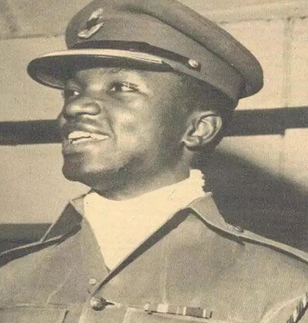
“It was a night when the cockerel crowed at midnight, not to announce dawn but to herald a storm.”On a cold and quiet January night in 1966, Kaduna slept with her eyes closed, unaware that the hand of fate was reaching into her belly. Soldiers in dark fatigues moved like shadows under the northern stars, their boots silent but their hearts loud with purpose. At the helm of this clandestine march was a young, charismatic officer — Major Chukwuma Kaduna Nzeogwu.He was no ordinary man. Tall, sharp-eyed, and disciplined to a fault, Nzeogwu was a soldier with a mission and a heart burdened by what he saw as the cancer of corruption gnawing at Nigeria’s soul. They called him “Kaduna boy” because he was more familiar with the dusty streets of the northern garrison city than his native southeastern soil. But on this night, he was not just a soldier. He was a man who had taken it upon himself to “cleanse the Augean stable.”As the old Igbo adage goes, “A man who brings ant-infested firewood into his house should not be surprised when lizards come to feast.” Nigeria, in its early years of independence, had brought in firewood soaked in tribalism, political greed, and nepotism. The lizards — in this case, discontented soldiers — had come out to feast.The coup, which began in the early hours of January 15, 1966, was dramatic, swift, and bloody. In Kaduna, the epicenter of military power in the North, Nzeogwu and his men stormed the residence of the Northern Premier, Sir Ahmadu Bello. It was not a negotiation; it was a mission. The Sardauna was killed alongside his wife, personal aides, and security. That same night, across Nigeria — in Lagos, Ibadan, and Enugu — other key political figures including Prime Minister Sir Abubakar Tafawa Balewa and Chief Festus Okotie-Eboh fell to the bullets of the mutineers.The putsch, though wrapped in a cloak of idealism and national salvation, was soaked in controversy. Its ethnic undertones — with most of the victims being Northern and Western leaders and most of the coup plotters being Igbo — sowed seeds of suspicion that would later bloom into a forest of mistrust and vengeance.“When a child washes his hands clean, he may dine with elders,” they say. Nzeogwu, young though he was, had tried to earn a place at the table of Nigerian destiny. But like many who try to use fire to fight rot, he ended up burning more than he cleaned.Though his actions were eventually curtailed by Major General Johnson Aguiyi-Ironsi, who assumed control as Head of State, the damage was already done. The coup lit a flame that could not be extinguished. Revenge coups followed, and by July of the same year, Nigeria was deep in the pit of military politics and ethnic strife, eventually culminating in a bloody civil war.Major Nzeogwu was later killed in 1967 during the Biafran War — ironically, fighting for a region he once believed he could help save through unity. His dreams died with him, buried not just in the red soil of Nsukka where he fell, but in the hearts of Nigerians who once believed that the military might just be the broom that would sweep the nation clean.But history is a stubborn drum; it echoes long after the dancer has left the stage. The 1966 coup remains one of Nigeria’s darkest turning points — not merely for its violence, but for the questions it raised about leadership, unity, and the true cost of change.As another proverb goes, “You cannot shave a man’s head in his absence.” Yet that night, Nigeria’s head was shaved with a sword — and the scars remain till this day.
Written in memory of those who dreamed of a better Nigeria, and in caution to those who still seek shortcuts to justice with the barrel of a gun.
Info Box
Click here to change this text. Lorem ipsum dolor sit amet, consectetur adipiscing elit. Ut elit tellus, luctus nec ullamcorper mattis, pulvinar dapibus leo.