

LAWAL HALIMAT
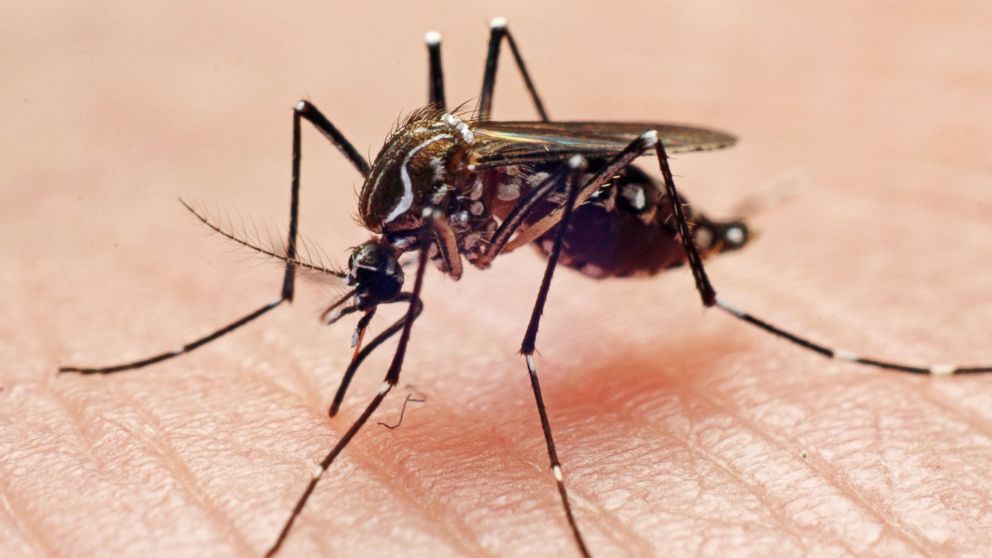
The World Health Organization (WHO) has renewed its call for global vigilance as cases of the chikungunya virus—spread by mosquito bites—continue to rise in several parts of the world.Chikungunya is a viral disease passed on by the bite of infected Aedes mosquitoes, the same type that transmits dengue and Zika. The name comes from an African dialect, meaning “that which bends up,” a reference to the bent posture caused by severe joint pain in sufferers.According to WHO, the illness strikes suddenly, often with high fever, intense pain in the joints, muscle aches, headaches, rashes, and overwhelming fatigue. Most people recover within a couple of weeks, but for some, the joint pain can linger for months or even years. While severe complications are rare, older adults, newborns, and those with pre-existing health problems are more vulnerable to serious outcomes.There is currently no specific cure for chikungunya. Treatment focuses on relieving symptoms—especially fever and pain—while avoiding certain medicines until other infections like dengue are ruled out. Although some vaccines have been approved in limited regions, they are not yet widely accessible.WHO emphasizes that prevention is the most powerful tool against the virus. Communities are urged to destroy mosquito breeding grounds by emptying or covering water containers, clearing blocked drains, and properly disposing of items that collect rainwater. People living in or visiting risk areas are advised to wear long-sleeved clothing, apply mosquito repellent, use window and door screens, and sleep under treated nets, especially during daylight hours when these mosquitoes are most active.Recent outbreaks in parts of Asia, the Americas, and Africa highlight how quickly the virus can spread in warm, wet conditions. Urban areas with poor drainage and high population density face the highest risk.WHO warns that with climate change influencing rainfall and temperature patterns, mosquito-borne illnesses like chikungunya may expand into new regions. The organization is calling for stronger public health campaigns, improved disease monitoring, and community-level mosquito control to curb the spread.For now, the message remains clear: protect yourself from mosquito bites, keep your environment clean, and stay alert to symptoms—because with chikungunya, prevention truly is better than cure.