
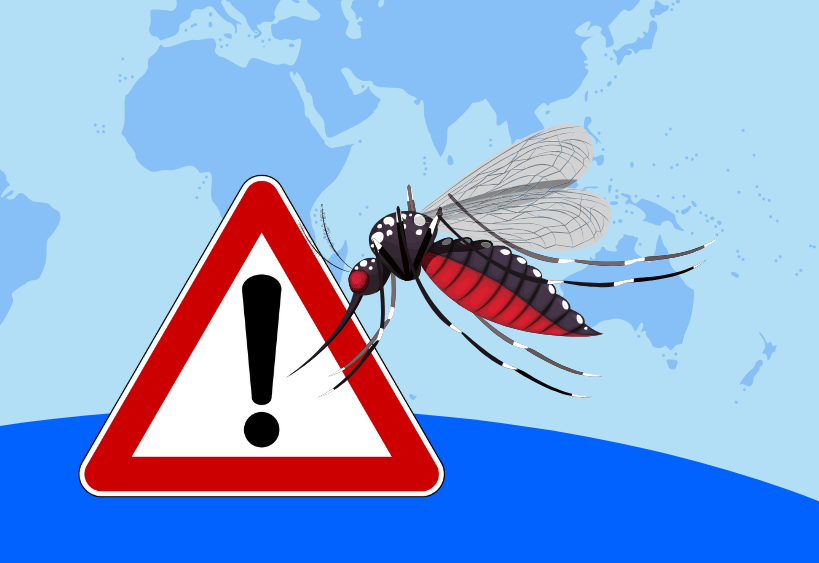

On April 25, 2025, the global community observes World Malaria Day under the theme: “Malaria Ends With Us: Reinvest, Reimagine, Reignite”. This theme underscores the urgent need to revitalize efforts in combating malaria, emphasizing proactive strategies and collective action to eliminate this preventable disease.
The Persistent Challenge of Malaria
Despite significant progress over the past decades, malaria remains a formidable public health challenge. In 2023 alone, there were an estimated 263 million cases globally, resulting in approximately 597,000 deaths. Alarmingly, 95% of these cases occurred in Africa, with children under five accounting for 76% of all malaria fatalities.
Nigeria, bearing a substantial portion of this burden, continues to grapple with high transmission rates. Factors such as inadequate sanitation, stagnant water bodies, and limited access to preventive measures contribute to the persistence of malaria in the region.
From Reactive to Proactive Measures
Historically, malaria control efforts have often been reactive, focusing on treatment after infection. However, to achieve elimination, a paradigm shift towards proactive strategies is imperative. Key proactive measures include:
- Environmental Management: Eliminating mosquito breeding sites by addressing open dump sites, discarded tires, potholes, stagnant water, and neglected flower pots.
- Community Engagement: Educating communities on the importance of regular drainage maintenance and the use of insecticide-treated nets.
- Policy Implementation: Enforcing regulations that promote sanitation and support the importation and distribution of effective vector control products.
Collective Responsibility: “Malaria Ends With Us”
The 2025 theme emphasizes that ending malaria is a shared responsibility. It calls for: World Health Organization (WHO)
- Reinvestment: Allocating resources towards research, healthcare infrastructure, and community-based interventions.
- Reimagination: Innovating strategies to tackle malaria, including the development of new tools and technologies.
- Reignition: Revitalizing global commitment and political will to eradicate malaria.
By embracing these principles, stakeholders at all levels can contribute to a malaria-free future.
The Role of Pest Control in Malaria Prevention
Pest control plays a pivotal role in reducing malaria transmission. Regular fumigation, proper waste management, and environmental sanitation are essential components of an effective malaria control strategy. Engaging professional pest control services ensures the implementation of best practices in vector management.
As we commemorate World Malaria Day 2025, let us reaffirm our commitment to ending malaria. Through reinvestment, reimagination, and reignition of efforts, we can collectively overcome this challenge. Every individual, community, and government has a role to play. Together, we can ensure that Malaria Ends With Us.
Shofu Babalola
Pest Control Consultant